Opening Puzzle Spoilers
Approach the opening puzzles by reading the room first: notes on desks, diagrams in drawers, documents, and CRTV signals all function as clues, while the first-person view makes that searching tense because creatures can still be stalking Simon.
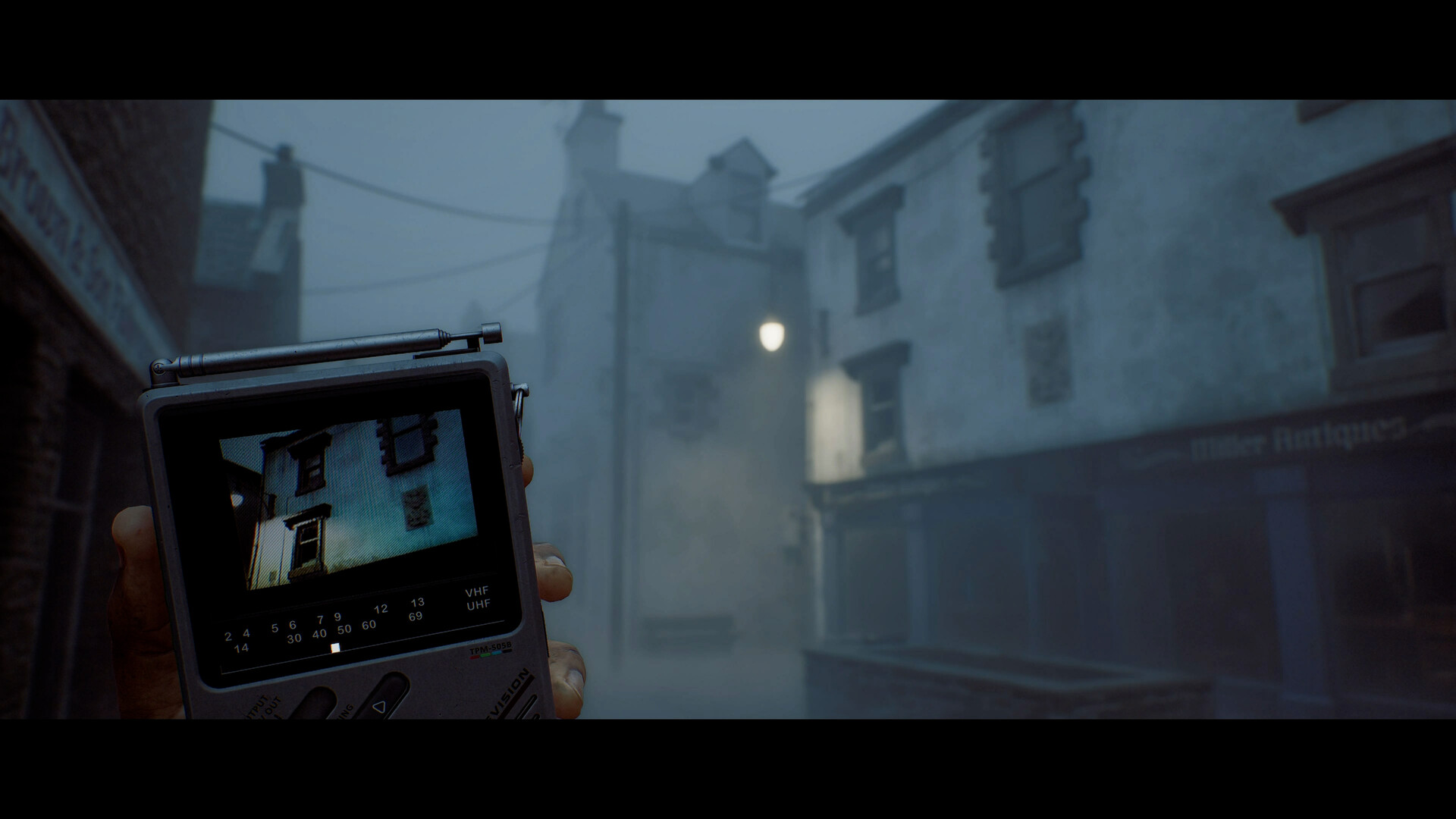
The hand-held TV is the key object to treat as both story device and puzzle tool: tuning its signals provides hints, and the opening apartment sequence uses a TV signal to help access the elevator back to St. Amelia.
Read the CRTV broadcasts as story-linked puzzle evidence: the signals are tied to St. Amelia’s and Zoe’s pasts, so they can explain who Zoe was, where she may have gone, and why an object matters mechanically.
For the clinic scales, follow Zoe’s trail from her empty apartment to the clinic: the three scales in her office are waiting for objects important to her, each tied to failures that led to her disappearance from work.
Use Zoe’s ID badge from her apartment, the prescription from the nearby pharmacy with the wrong dosage, and the medical bag from her coworker’s apartment with the broken stethoscope inside as the three meaningful Zoe objects.
Object Meanings
- What does the elevator example teach?
- It teaches you to tune the hand-held TV for practical puzzle hints, because the apartment signal helps you reach an elevator that returns Simon to the streets of St. Amelia.
- Why should I read environmental documents closely?
- Documents, notes, and hidden diagrams can contain the clues you need, and the first-person perspective makes searching rooms part of the puzzle pressure rather than a safe menu task.
- What do Zoe’s three clinic-scale objects represent?
- They connect to Zoe’s nursing life and perceived failures: her ID badge points to her role, the wrongly dosed prescription points to her medication error, and the broken stethoscope symbolizes her inability to truly hear patients.